
Why You or Your Child Can’t Sleep (And It’s Not What You Think)
Updated: May 5
You’ve tried everything. Earlier bedtimes. Blackout curtains. White noise machines. Melatonin. Strict routines. You’ve read the books, followed the advice, and done everything you’ve been told should work. And still, you are wide awake at 10pm. Exhausted, emotional, and unable to fall asleep.
If this sounds like your family, here’s something important to hear: You are not failing at bedtime. And your child is not being “difficult.” What you’re often seeing is an exhausted‑but‑wired pattern, a nervous system that’s having trouble switching out of stress mode. And when that’s happening, no routine, supplement, or sleep environment can override what the body is doing at a physiological level. In this article, we’re going to help you see where there may be another path forward.
Sleep Isn’t Just Rest — It’s Active Development
It’s easy to think of sleep as downtime. But for children, sleep is one of the most active and essential parts of their day. While you sleep, your body and brain are busy:
Sorting and consolidating everything learned that day
Supporting neurological development and memory formation
Releasing growth hormone during deep sleep
Supporting immune system function
Processing emotions during REM sleep
Regulating hormones and restoring energy
This is why children (and adults) who struggle with sleep often struggle with mood, focus, resilience, immunity, digestion, and behaviour during the day. Sleep isn’t a bonus. It’s the foundation everything else is built on.
The Missing Piece in Most Sleep Advice: The Nervous System
Most conventional sleep advice focuses on behaviour and habits. But for many adults and children, sleep challenges are not a bedtime problem, they’re a regulation problem.
Your nervous system has two main states:
Sympathetic (“fight or flight”) — alertness, stress, protection
Parasympathetic (“rest and digest”) — calm, recovery, sleep
Sleep can only happen when the nervous system can comfortably access its rest and digest state. When your system is spending much of its time in a heightened, protective state, the body may stay alert, even when completely exhausted. This is often what parents describe as:
“They’re tired… but they just can’t switch off.”
Why Some Children Get Stuck in “Wired but Tired” Mode
For many children, nervous system stress isn’t caused by one big thing, but by layers of stress over time — sometimes beginning very early in life. We often refer to this pattern as “the perfect storm.”
During Pregnancy
High levels of stress during pregnancy can influence how a developing nervous system learns to respond to the world.
Around Birth
Birth can be physically demanding for both baby and mum. Long labours, fast labours, assisted deliveries, caesareans, or breech positioning can place strain on a baby’s developing neuro‑spinal system.
Through Early Childhood
Ongoing stressors such as recurrent illness, reflux, digestive issues, antibiotic use, sensory overwhelm, or emotional stress can continue to challenge nervous system regulation. For some children, sleep difficulties are one of the earliest outward signs that their system is working harder than it should.
When Sleep Issues Persist, Other Areas Often Follow
When restorative sleep is limited over time, parents may start to notice challenges such as:
Daytime hyperactivity or difficulty concentrating
Increased emotional outbursts or anxiety
Frequent illness or slow recovery
Digestive complaints
Difficulty coping with change or stimulation
These aren’t character flaws or behavioural problems, they can be signs of a nervous system that hasn’t had the opportunity to reset properly.
At House of Chiropractic in Albury, we approach children’s sleep challenges by looking beyond routines and habits, and instead asking:
How well is the nervous system regulating overall?
Is the body able to shift out of stress mode?
Is there tension or imbalance within the neuro‑spinal system that may be influencing regulation?
Using INSiGHT Scanning Technology, we gather objective information about nervous system function, including:
Autonomic nervous system balance
Patterns of neuromuscular tension
Signs of physiological stress and adaptability
These scans help us understand how a child’s system is functioning — not just what symptoms are showing up.
Our Gentle, Neurologically‑Focused Care
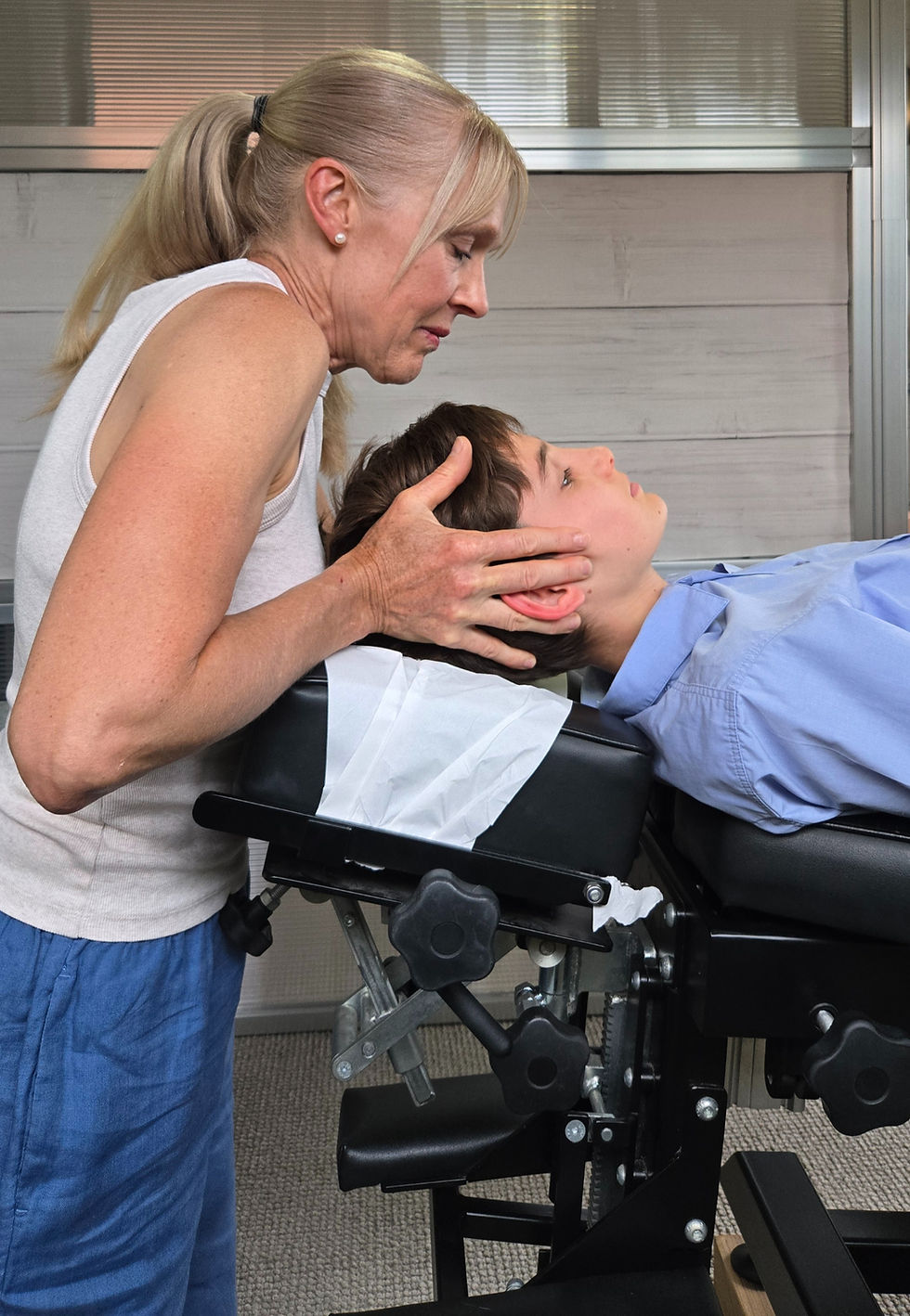
Paediatric chiropractic care is designed to be gentle, age‑appropriate, and supportive.
The goal is not to “make” a child sleep but to support the nervous system so the body can more easily access its natural state of rest and recovery. Many families tell us that improved sleep is one of the first changes they notice, often alongside improvements in digestion, emotional regulation, and daytime energy. Every child is different, and care is always individualised.
Sleep Is the Foundation
When you can access deeper, more restorative sleep:
Learning becomes easier
Emotions feel more manageable
Immunity improves
Growth and development are better supported
If you are struggling to sleep, it’s not because you haven’t tried hard enough. It may simply be that you or you child's nervous system needs support. If you’re in Albury or surrounding areas and would like to explore whether a neurological approach could help you or your child, we’d love to support you. Reach out and call us or Book online here.
Frequently Asked Questions
Is chiropractic care safe for children with sleep issues?
Paediatric chiropractic care is gentle and specifically adapted for a child’s age and stage of development. Our focus is on supporting nervous system function, not forceful manipulation.
Should we stop melatonin or other sleep aids?
Always speak with your GP or prescribing practitioner before changing any medications or supplements. Our care is designed to be complementary, not a replacement for medical advice.
How is this different from sleep training?
Sleep training focuses on behaviour. A neurological approach focuses on regulation. Some people choose to use both.
What ages do you see?
We care for babies, toddlers, children, adolescents and adults using age‑appropriate techniques.
How long does it take to see changes?
Everyone's nervous system is different. Some families notice changes quickly, while others see gradual improvements over time.


Comments