
Chronic Constipation in Children: Is There More to the Story?
Updated: Apr 6
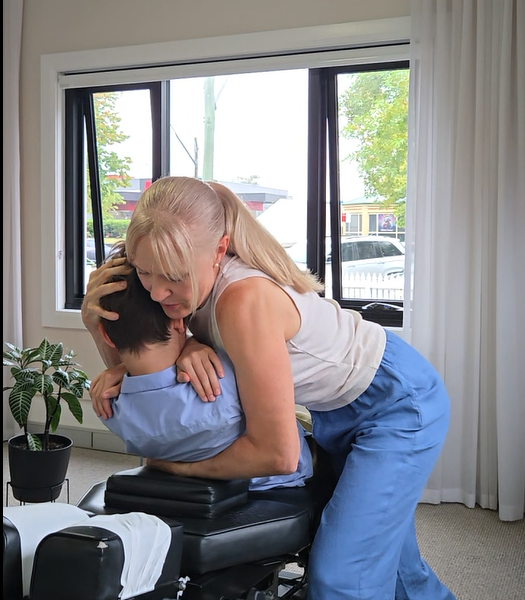
Many parents who walk through our doors at House of Chiropractic in Albury arrive feeling confused, exhausted, and worried. Their child has been struggling with constipation, often for months or even years. For most families, the first step is understandably medical. A laxative is prescribed, commonly used across Australia. And for many children, this can provide much‑needed short‑term relief. But over time, some parents start noticing patterns that don’t quite sit right.
The constipation keeps coming back
The dosage needs to be maintained or increased
Their child seems more unsettled, reactive, or sensitive
Or digestion only works with help
And that’s when the question arises: “Is there something deeper going on here?”
Constipation Is Common but It’s Not Always Simple
Chronic constipation in children is incredibly common, especially through early childhood. In Australia, functional constipation affects a significant percentage of kids and is often managed with:
Dietary changes
Increased hydration
Fibre supplementation
Osmotic laxatives (such as Movicol Junior, OsmoLax, Coloxyl Macrogol)
These strategies can be helpful, particularly for easing discomfort and preventing stool retention. But an important question still remains:
If the bowel needs constant assistance to move, why isn’t it regulating well on its own?
That’s where a broader perspective can be helpful.
How Osmotic Laxatives Help — And Their Limitations
Osmotic laxatives work by drawing water into the bowel, softening stool and making it easier to pass. This can be an important part of symptom support. However, they don’t directly influence:
The nervous system
Autonomic regulation
Vagus nerve function
Stress‑driven gut motility patterns
In other words, they may assist stool movement — but they don’t necessarily address why the bowel slowed down in the first place. That’s not a criticism. It’s simply understanding the mechanism. This is where a neurological lens can add another layer to the conversation.
Digestion Is Neurological, Not Just Mechanical
Digestion isn’t just about food and fibre. It’s deeply connected to the autonomic nervous system, which controls:
Gut motility
Peristalsis (the gentle wave‑like motion that moves food and stool through the gut)
Enzyme secretion
Blood flow to the digestive system
The autonomic nervous system has two main branches: The Sympathetic Branch, often know as the “fight or flight” system and The Parasympathetic Branch commonly referred to as the “rest and digest” system. When your system is spending more time in sympathetic dominance, essentially stress mode, digestion is often one of the first functions to slow. Why? Because when the brain perceives stress, the body prioritises survival over bowel movements.
The “Perfect Storm” We Often See in Children
Constipation is rarely random. In many children, it can be the result of layers building over time, what we often describe as the perfect storm of stressors:
Prenatal stress exposure
Birth strain or a difficult delivery
Early antibiotic exposure
Recurrent illness
Emotional stress
Sensory overwhelm
Each factor on its own may seem small. But together, they can influence how well the nervous system regulates. Over time, reduced adaptability can show up in the gut.
Looking Beyond the Bowel at House of Chiropractic, Albury
At House of Chiropractic, we don’t just ask “How often is your child pooing?” We ask:
Is the nervous system regulating efficiently?
Is the child spending a lot of time in stress mode?
Is there tension in the neuro‑spinal system that may be influencing autonomic balance?
Using INSiGHT Scans, we gather objective information about nervous system function, including:
The NeuroPulse Scanner – looking at autonomic balance between the sympathetic system and the parasympathetic system.
The Surface EMG – identifying patterns of neuromuscular tension
The NeuroThermal Scan – assessing thermal patterns associated with autonomic stress.
This isn’t guesswork. It’s data we use to better understand how a child’s system is functioning.
Our Neurologically‑Focused Paediatric Approach
Neurologically‑focused chiropractic care for children aims to support regulation by:
Encouraging parasympathetic (“rest and digest”) activation
Reducing stored sympathetic stress
Supporting vagal nerve regulation
Improving adaptability within the nervous system
The goal is not to force the bowel to move. It’s to support clearer communication within the body so digestion can function more naturally, when appropriate.
A Quick and Important Note on Medication...
We do not recommend stopping prescribed medication without consulting your GP or paediatrician. Our approach is supportive and collaborative. Medication may be necessary, particularly in the short term.
However, if constipation continues to return, it may be worth asking:
“Could nervous system regulation be playing a role?”
Constipation Isn’t Always a Fibre Problem
Your child’s constipation is not a failure and it’s not always just about diet and it’s probably not something you’re doing wrong. Sometimes, it’s a regulation issue. And when we support the foundation — the nervous system — everything built on top of it has a better chance to function well. If your child is experiencing ongoing constipation and you’d like a deeper look at their nervous system, we’d love to support you. We are House of Chiropractic in Albury, you can call us on 02 6009 0999 or 💻 Book online via our website. Let’s explore the full picture together.
Frequently Asked Questions (FAQ)
Is chiropractic care safe for children with constipation?
Paediatric chiropractic care is gentle and tailored to a child’s age and development. Our focus is on nervous system regulation.
Should my child stop laxatives if we start care?
Always speak with your prescribing practitioner first. Our care is designed to work alongside medical management when needed.
How is this different from focusing on diet and fibre?
Diet is important, but regulation matters too. Some children eat well, hydrate well, and still struggle. We look at how the nervous system influences digestion.
What ages do you see at House of Chiropractic in Albury?
We see infants, toddlers, children, and adolescents using age‑appropriate, neurologically‑focused approaches.
How long does it take to see changes?
Every child is different. Our goal is to support adaptability over time, not promise quick fixes.


Comments